Best Amazon Affiliate Categories to Promote in 2026.
S
By signorw2020@gmail.com April 30, 20269 min readAmazon Affiliate
The best Amazon affiliate categories in 2026 aren’t always the ones with the fattest percentage. The real winners mix steady demand, repeat orders, and products that are easy to talk about in useful content.
If you’re trying to build long-term affiliate income, category choice matters more than most beginners think. A smart fit can give you a steady stream of clicks and conversions, while a bad fit leaves you chasing random products with no clear angle. Start with categories that match your niche, then build around what people already want to buy.
What makes an Amazon category worth promoting in 2026?
A good Amazon category does four things well. It pays enough to matter, attracts buyers year-round, gives people reasons to come back, and offers plenty of content ideas. If one of those pieces is missing, earnings often stall.
Commission rate still matters, of course. Yet rate alone doesn’t tell the whole story. A 10% category with weak buying intent can lose to a 3% category that people shop every week. That’s why smart affiliates look at the full picture, not only the number next to the product type.
Seasonal demand matters too. Fashion, gifts, and games can spike hard at certain times. Home, kitchen, pets, and personal care often move all year. For many sites, a mix works best because it gives you both steady traffic and strong seasonal bursts.
A smaller commission can win when the products sell often, convert well, and fit content your audience already trusts.
Why commission rate is only part of the story
Amazon Games pays the highest standard rate right now at 20%, and Luxury Beauty pays 10%. On paper, that looks like the whole answer. In practice, high commissions only help when the audience is ready to buy.
Take two examples. A beauty creator can recommend a $60 serum that people reorder every two months. A random site with no beauty audience won’t convert that traffic well. Meanwhile, a home blog might earn more with a simple $25 kitchen tool because readers came for practical fixes and trust the recommendation.
Conversion matters because Amazon is a buying platform, not a browsing platform. People often click when they’re already close to purchase. So the better question is not “What pays the most?” but “What fits the buyer’s mood when they read my content?”
Why repeat purchases and high volume matter so much
Repeat buying is where Amazon affiliate income starts to feel less fragile. Products tied to habits, routines, pets, replacements, or small upgrades can keep earning without needing huge traffic spikes.
Beauty is a clear example. So are pet treats, kitchen basics, socks, notebooks, and many household items. Even books can work this way because readers often buy more than one title once they trust your taste.
High-volume categories also give you more ways to publish. You can write reviews, gift guides, seasonal picks, comparisons, routine posts, and “best for” roundups. That steady content engine often matters more than chasing a flashy category with only a few product angles.
The Amazon categories that stand out most right now
Some categories look stronger than others in 2026 because they combine current commission rates with buying patterns that fit affiliate content. The categories below are not magic doors to easy money. They are strong options because they give creators more room to publish helpful content and catch buyers at the right moment.
Luxury Beauty, strong commissions and repeat buying power
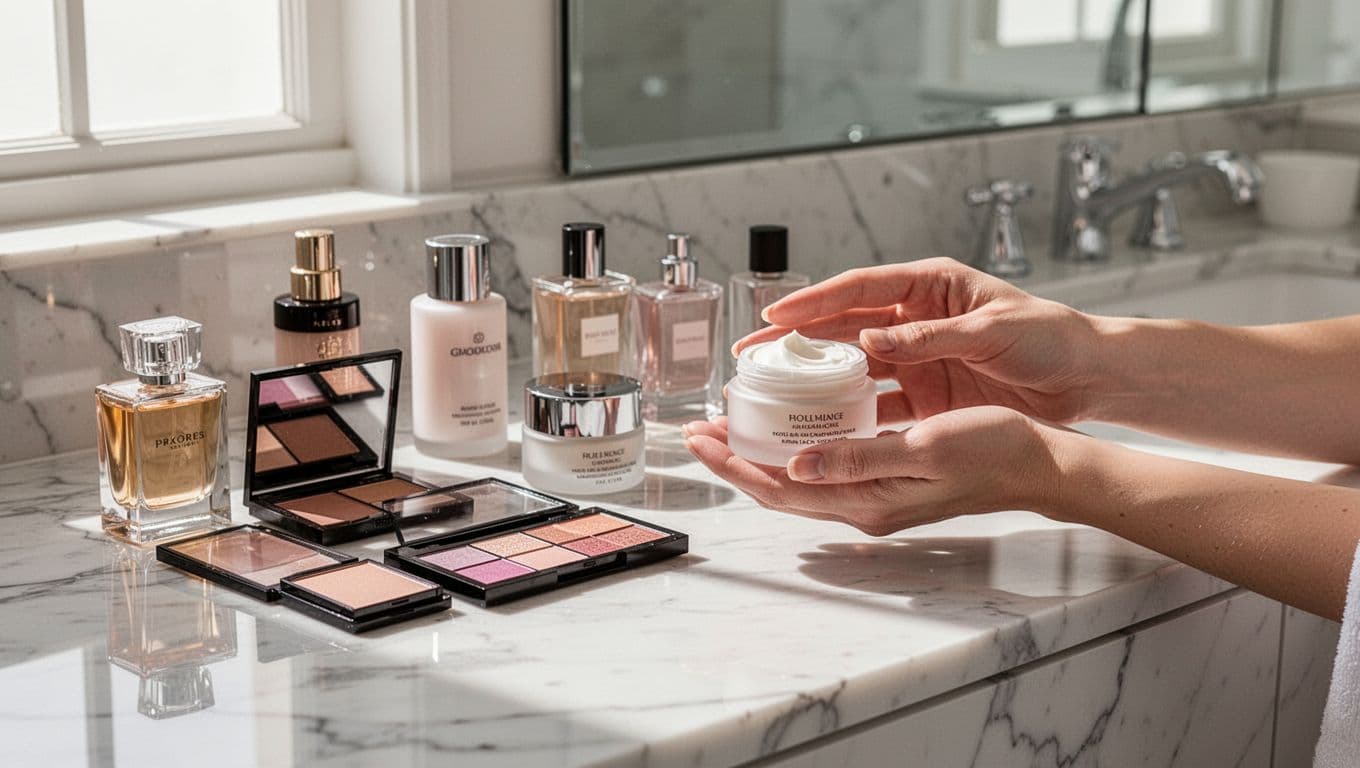
Luxury Beauty is one of the most attractive Amazon categories for affiliates this year. Amazon’s standard rate for this category is 10%, which is high by Amazon standards. Better still, premium skincare, makeup, and beauty tools often have solid price points and repeat demand.
People don’t buy a serum or foundation once and disappear. If they love it, they come back. That repeat behavior gives beauty content a longer shelf life than many one-time purchases. Reviews, routine guides, “best for dry skin” posts, and comparison articles can all work well here.
This category works best when the content feels personal and clear. Readers want texture, wear time, scent, packaging, skin type fit, and whether the product feels worth the price. If you can describe those details well, beauty can become a strong earner.
Amazon Games, the biggest payout for the right audience
Amazon Games currently pays 20%, the top standard category rate. That makes it tempting, but this category isn’t broad in the same way home or beauty is. It works best for creators with a real gaming audience or a fast-moving content style.
Launches can create traffic spikes. So can gaming accessories, gift guides, franchise-related shopping, and posts timed around new releases. Fans often buy with emotion and speed, especially when a title is hot and social buzz is rising.
Still, games are a sharper niche. If your site is about gardening or parenting, this category may feel forced. If you run gaming news, streaming content, or accessory reviews, it can be a strong fit.
Physical Books, low commission but huge volume
Physical Books pay 4.5%, which looks modest next to beauty or games. Yet books keep working because readers trust recommendations. A good book list can stay useful for months, sometimes years.
Books also fit many niches. Self-help works for productivity blogs. Cookbooks fit food sites. Children’s books suit parenting content. Gift guides, reading lists, and “best books for beginners” posts are easy to create and often easy to rank because they match clear search intent.
The extra advantage is volume. Book buyers often add more than one title to the cart. That habit can make a lower commission feel much stronger than it first appears.
Fashion, easy to promote with seasonal demand
Fashion and related items like shoes, jewelry, handbags, and watches usually pay 4%. That rate is decent, but the real strength is how often people shop for style, replacement, events, and weather changes.
A spring capsule wardrobe post can convert. So can wedding guest outfit ideas, travel packing lists, workwear guides, or “best white sneakers under $100” content. The category keeps moving because trends shift and closets wear down.
Fashion also works well with social content. A blog post can pull search traffic, while short-form video or pins can support discovery. If your audience cares about personal style, this category gives you endless seasonal angles.
Home and Kitchen, a strong fit for everyday content
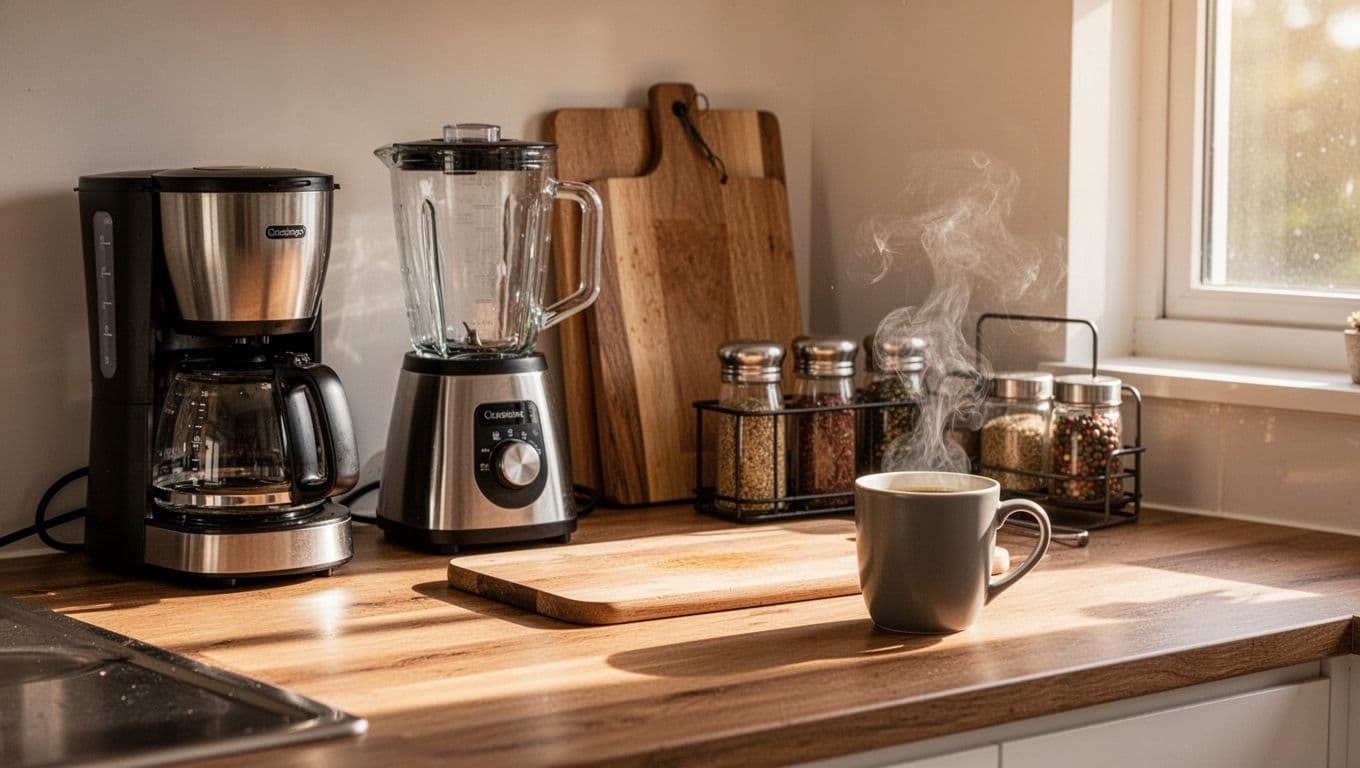
Home and Kitchen is one of the most reliable categories for many affiliates. Kitchen products pay 4.5%, while many home items fall into lower rates, often around 3%. Even so, the category stays attractive because everyday problems create easy buying reasons.
A dull knife, messy pantry, weak coffee maker, or cluttered entryway all invite recommendations. That makes this category perfect for lifestyle, cleaning, cooking, and organizing content. Readers often want a simple fix, not a dramatic purchase.
This category also supports evergreen content. “Best blenders for smoothies” and “small kitchen storage ideas” don’t expire fast. If your site helps readers solve daily home problems, this is one of the safest bets on Amazon.
Pet Supplies, loyal buyers and steady repeat sales
Pet products usually pay 3%, which may sound average. The audience, though, is anything but average. Pet owners buy with care, habit, and emotion. When they find something their dog or cat loves, they often buy it again.
Treats, grooming tools, toys, slow feeders, litter gear, and travel accessories can all do well. This category fits review posts, “best for” roundups, and problem-solving content such as calming products or shedding tools.
Loyal audiences make a difference here. A pet blog with trust can turn simple product mentions into steady sales because owners are always looking for safer, cleaner, or more fun options.
Other categories that can still make sense for affiliate sites
Not every strong category sits at the top of a commission chart. Some work because the niche is active, the buyer intent is clear, or the products are easy to review.
Health and Personal Care, strong demand but check the rules
Health and Personal Care has strong shopper demand, but Amazon’s standard rate here is only 1%. That sounds weak, yet the category can still convert because people buy many of these items often, especially personal care basics and wellness products.
The catch is trust and compliance. Some products have tighter rules, and health claims can create problems fast. If you want to promote in this space, review Amazon’s current policies before publishing. Clear, careful content matters more here than in most categories.
Amazon Devices, useful for review content and upgrades
Amazon devices like Kindle, Echo, and Fire products usually pay 4%. These are well-known products, so the buying journey is often simpler. People already know the brand. They want help choosing the right model.
That makes comparison posts a natural fit. A “Kindle vs Kindle Paperwhite” guide or a roundup of the best Echo devices for different rooms can capture strong intent. Devices also cycle through upgrades, which gives tech sites repeat content opportunities.
How to choose the right category for your own site
The best category for your site is the one your audience can picture in their life. That’s the point many affiliates miss. They chase the biggest rate and forget that trust, context, and content fit drive the click.
A category should also match how you like to publish. Some niches reward frequent updates, like games and fashion. Others reward evergreen detail, like books, beauty, and home products. Pick a lane that fits both your reader and your working style.
Match the category to your audience’s buying habits
A parenting blog may do well with books, home gear, kids’ fashion, or family kitchen products. A beauty blog can build around Luxury Beauty and personal care. A pet site has a clear path into treats, toys, grooming, and travel gear.
The clue is already in your audience’s habits. Look at what they ask, save, search, and comment on. If your readers want quick fixes, home and kitchen may work. If they care about routine and self-care, beauty may be stronger. When the category matches the audience, product links feel natural.
Look for content ideas before you commit
Before choosing a category, sketch at least 20 content ideas. If you struggle to get there, the niche may be too thin for your site. Good categories give you reviews, comparisons, gift guides, seasonal roundups, and practical how-to posts without strain.
Content depth is a simple stress test. Can you write “best for beginners,” “best under $50,” and “best for small spaces” without sounding repetitive? Can you update the posts next season? Can you speak from real use or clear research? If the answer is yes, you likely found a category worth building around.
Final thoughts
The best Amazon product categories to promote in 2026 combine commission, demand, and repeat buying power. Luxury Beauty, Amazon Games, Books, Fashion, Home and Kitchen, and Pet Supplies all stand out because they give affiliates both buying intent and content room.
Pick one or two categories that fit your audience, then stay consistent. Helpful content beats random product links every time, and the right Amazon affiliate niche is the one you can support month after month.
I created DFY Income Lab to provide honest, practical guides on building online income. Every article is written from research and real experience. Read more →







Leave a Comment