Amazon Affiliate Website Earnings Per Month: What’s Real in 2026?
S
By signorw2020@gmail.com May 5, 20268 min readAmazon Affiliate
You can earn anywhere from a few dollars a month to a full-time income with an Amazon affiliate website. Most sites, though, start small and grow slowly.
That gap exists for a reason. Your income depends on traffic, niche, product prices, conversion rate, and Amazon’s commission percentages. A site about premium beauty tools can earn far more than a site pushing cheap grocery items, even with similar traffic.
If you want the honest version of what is realistic in 2026, the numbers below will help you set better expectations.
What Amazon affiliate earnings really look like in 2026
There isn’t one clean monthly number for Amazon affiliate income. Some sites make nothing for months. Others make a few hundred dollars, and a smaller group earns thousands each month. Monthly income is the clearest way to measure progress because traffic, clicks, and sales all rise and fall over time.
Amazon Associates commissions in 2026 range from 0% to 20%, depending on category. Most common retail categories fall under 10%, and many sit between 1% and 5%. That means your niche choice shapes your ceiling before you write a single article.
Why there is no single average monthly income
Amazon doesn’t publish an official average income for affiliate websites. Even if it did, the number would hide more than it reveals.
A five-month-old site with 800 visits a month lives in a different world than a three-year-old site with 120,000 visits. On top of that, buyer intent changes everything. A reader searching “best baby monitor under $200” often buys soon. A reader searching “why do babies wake up at night” may never click a product link.
Two sites can get the same traffic and earn wildly different amounts. One ranks for high-intent reviews and product comparisons. The other ranks for broad advice posts with weak purchase intent. Same visitors on paper, very different money in the account.
Monthly earnings are less about raw pageviews and more about the mix of intent, product price, and commission rate.
The commission rates that shape your payout
Here is where the math gets real. Amazon pays by category, not by effort. In May 2026, luxury beauty pays 10%, Amazon Games pays 20%, home and baby products often pay 3%, TVs pay 2%, and grocery plus health and personal care often pay 1%. Some categories, such as gift cards, pay 0%.
So, a site that sells a $150 luxury beauty item can out-earn a site that sells several low-commission grocery products. Product mix often matters more than traffic alone. That’s why some smaller niche sites punch above their weight.
Most beginners miss this and chase broad traffic. Yet a smaller stream of visitors with buying intent often pays better than a flood of casual readers.
The main factors that decide how much money your site makes
Amazon affiliate income works like a row of gears. If one gear slips, the whole machine slows down. The key pieces are traffic, clicks, conversion rate, average order value, and commission percentage.
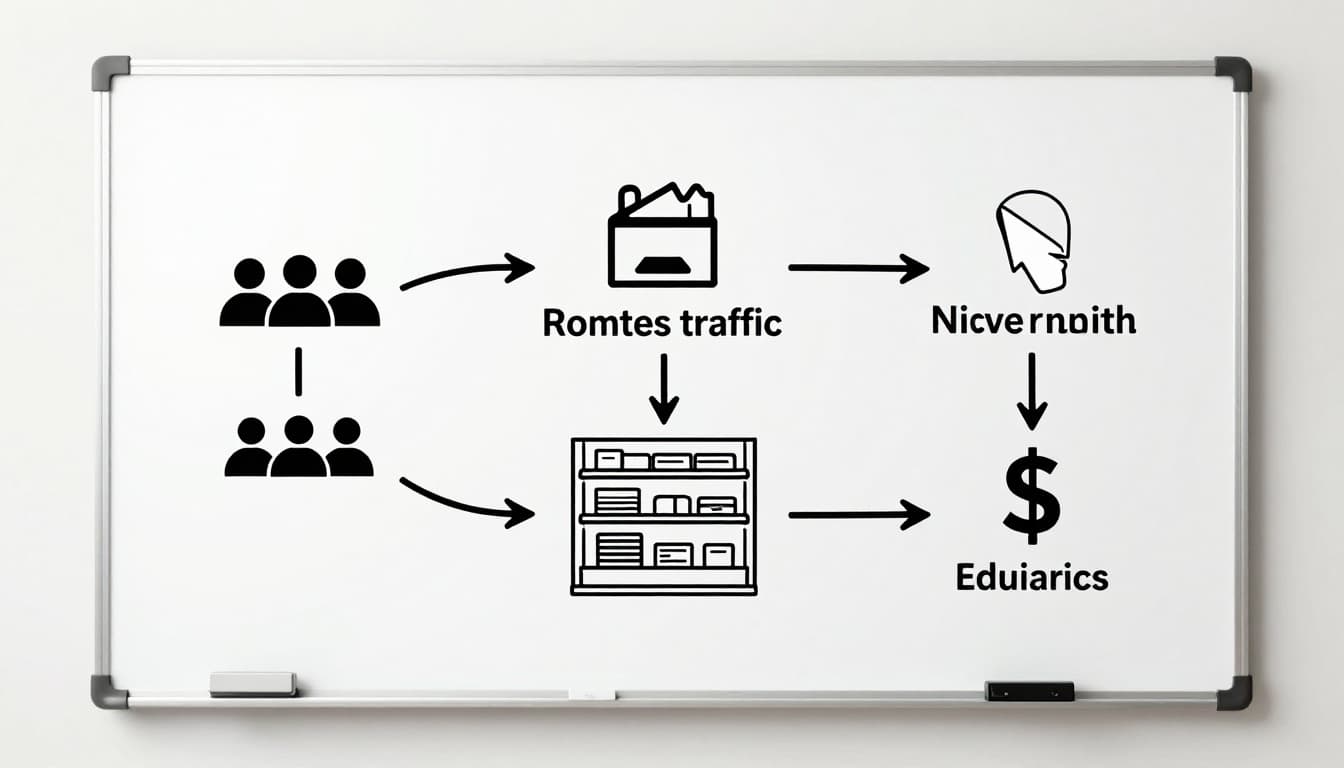
A simple way to picture it is this: more qualified visitors lead to more clicks, better clicks lead to more orders, and better product choices raise the value of each sale.
Traffic alone does not guarantee income
Traffic helps, of course. No visitors means no clicks. Still, not all traffic is worth the same.
A post that ranks for “best espresso machine for small kitchen” will usually convert better than a post about the history of coffee. One search comes from a shopper with a wallet open. The other comes from curiosity.
So when people say, “I get traffic but no sales,” the problem often isn’t volume. It’s mismatch. Their content attracts readers, but not buyers.
Your niche can raise or lower your earnings
Some niches are simply better built for affiliate income. Home, beauty, baby, and certain tech categories often work well because people compare products before they buy. Many items also have decent prices, which helps commissions add up.
Other niches are harder. Grocery is a classic example. People buy, but the commission rate is low. Cheap products also shrink your payout. You may get clicks and orders, yet still earn lunch money.
High-ticket products can help even with lower commission rates. A 3% cut on a $700 item beats a 3% cut on a $20 item every time. That’s why average order value matters so much.
A useful review explains who the product suits, where it falls short, and how it compares with other options. A strong comparison post helps someone choose between two close products. A good “best of” article narrows the field without sounding fake or pushy.
Trust builds sales month after month. If your content feels honest, readers click. If it feels like a stitched-together sales page, they leave.
How different Amazon affiliate websites tend to earn each month
The easiest way to think about earnings is by stage. These are broad ranges, not promises. Still, they give you a fair picture of what many sites experience.
Here is a simple benchmark table:
Site stage
Typical monthly traffic
Common monthly earnings
New or hobby site
Under 1,000 visits
$0 to $100, sometimes up to $500
Growing niche site
10,000 to 50,000 visits
$300 to $5,000
Established site
100,000+ visits
$5,000 to $10,000+, sometimes much more
The takeaway is simple: earnings usually grow in layers, not in one dramatic jump.
Small new sites often earn very little at first
Most new Amazon affiliate sites earn little or nothing in the early months. Search rankings take time. Trust takes time too.
That slow start doesn’t mean the site is broken. It often means the site is still invisible. Many beginners quit here because the first few dollars feel tiny. Yet those early clicks and small commissions are often the first signs that the model works.
Growing sites can reach steady side income
Once a site has regular organic traffic and a few solid buyer-focused posts, income can become steady. This is where many niche sites start earning a few hundred dollars each month, and some reach the low thousands.
The jump usually comes from consistency. More helpful content ranks, internal links improve, and a handful of pages begin to carry most of the revenue. Luck plays a part in any online business, but steady side income usually comes from repetition and patience.
Top-performing sites can become major income sources
Larger sites with strong SEO, clear trust signals, and deep content libraries can earn thousands per month. Some go well past that. These sites often have hundreds of articles, authority in one niche, and content that meets readers at different stages of the buying process.
Scale changes the math. A site with 150 high-intent pages has many more chances to earn than a site with 12 broad posts. Big income usually comes from depth, not from one viral article.
How to increase monthly earnings without chasing vanity metrics
A lot of affiliate advice focuses on numbers that look pretty but don’t pay well. Big traffic screenshots can distract you from the real goal, which is useful traffic that turns into sales.
Publish content that matches buyer intent
Review posts, comparison articles, “best” lists, and problem-solving guides often earn the most because they meet readers close to a purchase. Someone who searches “best office chair for back pain” is much closer to buying than someone reading a general post about posture.
That doesn’t mean you should ignore informational content. It means you should use it with purpose. Helpful guides can bring readers in, then move them toward product-focused pages.
Build around products with stronger commissions or higher carts
If two articles get similar traffic, the one tied to better commissions or higher-priced items can win by a wide margin. That’s why niche research matters before content production.
A site that recommends premium beauty tools, quality kitchen gear, or well-priced baby products may earn more than a site pushing low-cost, low-commission items. Better product selection can raise revenue even when traffic stays flat.
Track your reports and improve weak pages
Amazon Associates reports show clicks, ordered items, shipped items, and commissions. Those numbers tell you where pages are working and where they are leaking money.
If a page gets traffic but few clicks, your links may be weak or poorly placed. If it gets clicks but few sales, the product match may be off. If it sells but earns little, the category or price point may be the problem. Those small fixes often raise income faster than writing ten random posts.
Common mistakes that keep Amazon affiliate income low
Many sites stay stuck because they stay busy in the wrong places. The work looks productive, but the earnings barely move.
Choosing a niche people browse instead of buy
Interest and intent are not the same. A topic can pull traffic and still fail as an affiliate site.
For example, a broad hobby topic may attract readers who want inspiration, news, or entertainment. That audience can be loyal, yet slow to buy. A tighter niche with clear product decisions usually monetizes better.
Writing content that is too thin or too generic
Short, shallow posts rarely build trust. They also struggle to rank. If your article reads like a product page summary, readers won’t rely on it.
Go deeper. Answer the questions buyers ask before they spend money. Cover trade-offs, ideal use cases, and what each product gets wrong. Honest detail helps both rankings and conversions.
Ignoring Amazon rules and link limits
Compliance matters because one account issue can wipe out your income overnight. Follow Amazon’s rules on disclosures, pricing claims, and approved link use.
That part isn’t exciting, but it protects the business you are building.
Conclusion
Amazon affiliate income can be tiny at first, steady later, and substantial at scale. The size of that income depends less on hype and more on fit: the right niche, the right traffic, the right products, and content people trust.
A small site can grow into meaningful monthly revenue, but it usually happens step by step. If your pages solve real buying problems and send readers to products that match their needs, the numbers have room to grow.
I created DFY Income Lab to provide honest, practical guides on building online income. Every article is written from research and real experience. Read more →











Leave a Comment