How to Start an Amazon Affiliate Website Without Technical Skills.
S
By signorw2020@gmail.com May 2, 20268 min readAmazon Affiliate
A lot of people want to earn online, then freeze the moment they hear words like hosting, plugins, or code. The good news is that a beginner-friendly Amazon affiliate website doesn’t need any of that to get off the ground.
At its core, this kind of site helps people choose products, then earns a commission when they buy through your links. If you can pick a clear topic, set up simple pages, and write helpful posts, you can build one.
The path is calmer than it looks. Start with the niche, keep the setup simple, and build trust one useful article at a time.
Start with the right niche and a clear audience
Before you touch a website builder, pick a niche that makes sense. This is where many beginners either save themselves months of stress or walk straight into it.
A good niche sits where interest, demand, and buying intent meet. You want a topic you can write about without forcing every sentence. At the same time, people in that niche need products, compare options, and buy things often enough to make the site worth building.
Small beats broad. “Home office desk setups” is easier to shape than “home decor.” “Dog travel gear” is easier to rank for than “pets.” A focused niche gives your site a clean identity, and readers trust clear sites more than messy ones.
Choose a topic you can stick with long enough to grow
Interest matters because affiliate sites grow through repetition. You’ll publish reviews, buying guides, comparisons, and updates. If the niche bores you after two weeks, the site will sit like a half-painted room.
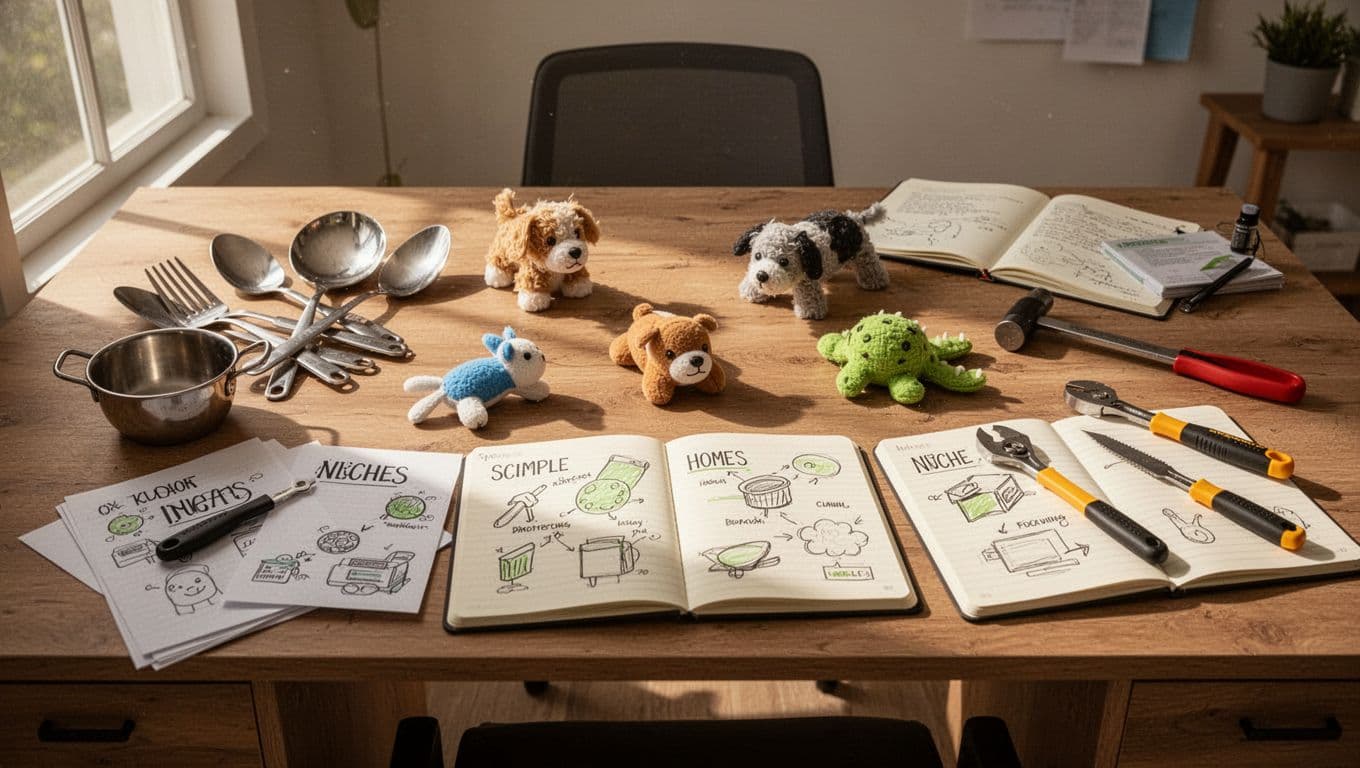
That doesn’t mean you need a lifelong passion. You only need enough interest to stay curious. Many beginner-friendly niches work well because they connect to daily life. Home tools, pet gear, kitchen accessories, desk setups, baby travel items, and fitness basics all give you plenty to write about.
Pick a niche with enough product ideas to fill at least 30 article titles.
That simple test filters out weak ideas fast. If you struggle to name 30 useful topics, the niche may be too narrow. If your list feels endless and messy, it may be too broad.
Look for products people already want to buy
Next, think like a shopper. People don’t search for products only because they are curious. Often, they want help making a decision. That is where affiliate content works.
Strong niches include products tied to real problems. Someone wants a quieter blender, a lamp for a small desk, a safer dog harness, or a compact drill for apartment repairs. These searches carry buyer intent because the person is already close to a purchase.
Gift ideas and comparisons also work well. Phrases like “best,” “for small spaces,” “under $50,” or “X vs Y” often signal that someone is weighing options. On the other hand, a huge niche with little direction can bury you. A niche with almost no products can do the same. Stay in the middle, where the demand is clear and the topic still feels manageable.
Build your site without learning code
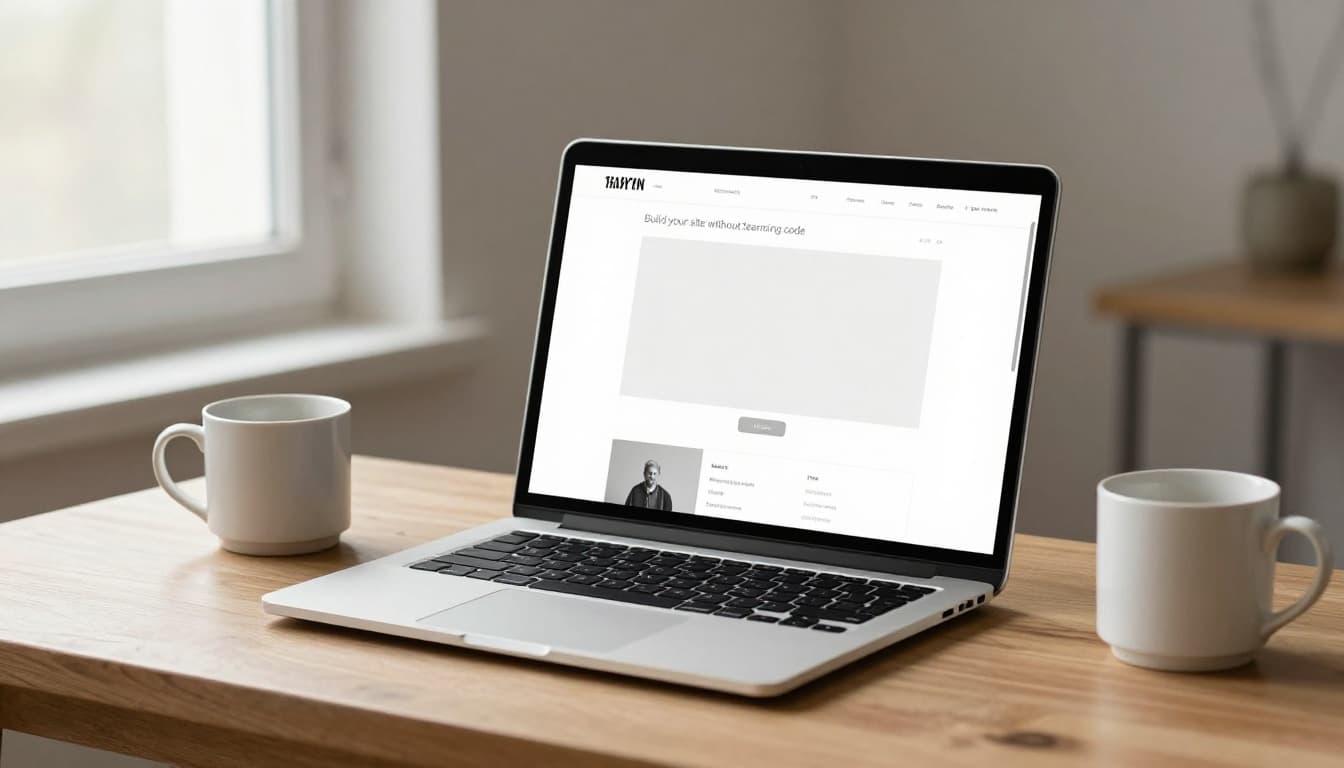
The setup stage looks bigger than it is. Most beginners don’t need custom design, special tools, or any kind of coding. They need a clean website that works, loads well, and doesn’t confuse them every time they log in.
The easiest route is a simple domain name, beginner-friendly hosting, and a website platform with visual editing. You click, choose, type, and publish. That’s enough.
Pick beginner-friendly tools that do the heavy lifting
Start with a short domain name that matches your niche or feels broad enough to grow with it. Keep it easy to spell and easy to remember. Then choose reliable hosting or a hosted website builder.
Many beginners use WordPress with a visual theme because it gives room to grow without asking you to write code. Others prefer builders like Wix or Squarespace because the editing feels more like moving blocks around a page. Either path can work. Pick the one that feels least intimidating, then stick with it long enough to learn the basics.
A new site only needs a few moving parts. You need a theme, a menu, and a way to publish posts. That’s it. Don’t lose days comparing fancy features you’ll never use.
Set up the core pages your affiliate site needs
An affiliate site looks more trustworthy when the basics are in place. Create a Home page, an About page, and a Contact page early. Those pages tell visitors that a real person is behind the site.
You also need a Privacy Policy and an Affiliate Disclosure. These matter for legal and trust reasons. Readers should know that you may earn from qualifying purchases, and they should see that message clearly. If you join Amazon Associates, follow its rules for disclosures and link use.
Keep these pages simple. The About page can explain who the site helps. The Contact page only needs a form or email address. The policy pages do their job when they are visible and easy to find.
Make the design clean, fast, and easy to read
A good affiliate site doesn’t need sparkle. It needs calm. Use a readable font, wide spacing, clear headings, and a menu that makes sense at a glance.
Mobile layout matters because many readers browse on phones. Check every page on both desktop and mobile before you publish more content. If something feels cramped, fix it early.
Avoid clutter. Too many colors, popups, sticky boxes, and bouncing widgets can make a site feel cheap. A simple design puts the focus where it belongs, on the advice and the products.
Write content that helps readers and earns commissions
Once the site exists, content turns it into something useful. This is where many people overcomplicate the process. You do not need to sound like a tech reviewer with a lab coat and test charts. You need to help people make a decision.
Start with articles that match buying intent. That means posts for people who are comparing, narrowing down, or ready to buy soon.
Use review posts, buying guides, and comparison articles
Three content types work especially well for Amazon affiliate websites. Review posts focus on one product. Buying guides compare several options in one category. Comparison articles place two products side by side.
A beginner can write titles such as “Best desk lamp for small rooms,” “Air fryer vs toaster oven for a small kitchen,” or “How to choose a starter tool set for home repairs.” These topics are practical, and people search for them because they want help now.
Review posts are useful when a product has enough interest on its own. Buying guides work when shoppers want a shortlist. Comparison posts help readers who are stuck between two strong options. Together, these formats give your site structure and make topic planning much easier.
Write in a way that answers real questions fast
Readers don’t want a long warm-up. They want help. So open with a direct answer, then support it with details. Use short paragraphs, clear subheadings, and simple wording.
Focus on what matters in a buying decision. Talk about benefits, drawbacks, price range, size, ease of use, and who each product fits best. If something is noisy, say so. If one option works better for beginners, say that too.
Honesty helps the page more than hype. People can sense when a recommendation feels forced. A useful article sounds like a thoughtful friend who already did the homework.
Add affiliate links naturally without sounding pushy
Links should appear where the reader expects them. Place them near product recommendations, comparison points, or short calls to action. When someone finishes reading why a product is a good fit, that is the right time for a link.
Keep the tone calm. You are guiding, not pressuring. Phrases like “Check price on Amazon” or “See current details” feel more natural than sales-heavy wording.
Also, keep your disclosure visible and plain. Readers respect honesty. So does Amazon. Trust is the thread holding the whole site together, and once it snaps, commissions usually follow.
Bring in traffic without complicated SEO or social media tactics
Traffic takes time, but it doesn’t need a maze of tactics. A small site grows through useful posts, basic SEO habits, and a simple sharing routine.
The goal is steady movement. One solid article each week beats ten rushed posts that never help anyone.
Use basic SEO habits that help each page get found
Each post should target one clear topic. Put that topic in the title, in a natural heading, and in the opening paragraph. Then stay focused. A page about the best desk chair for short people should not drift into full office makeover advice.
Use natural keywords, not repeated phrases stuffed into every line. Add internal links when a related post helps the reader. For example, a guide on desk lamps can link to a post about monitor stands or cable organizers.
Search engines reward clarity because readers do too. When your pages are focused, useful, and easy to scan, they have a better shot at showing up.
Share your content in easy places where buyers already spend time
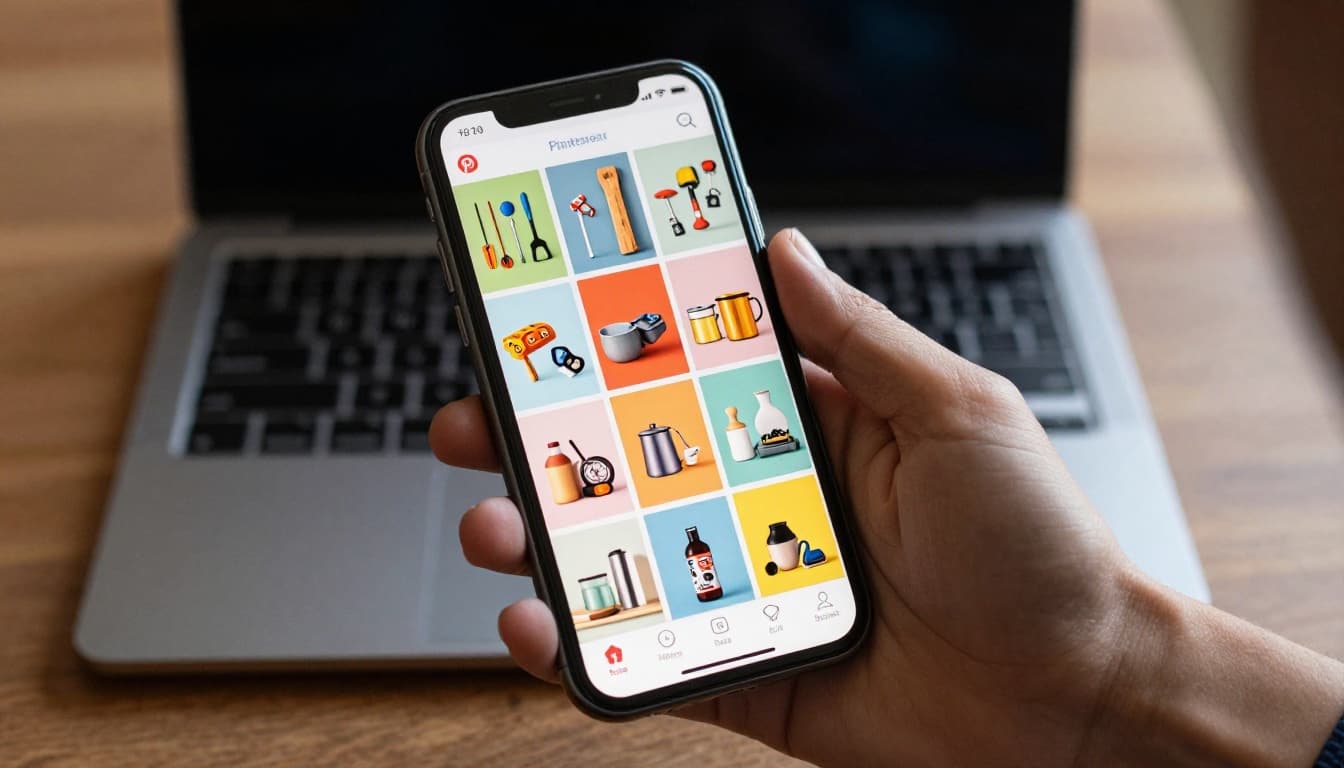
You do not need every platform. Pick one or two places where your niche fits. Pinterest works well for home, kitchen, decor, gift, and organization topics. Facebook groups can help when the group allows useful resource sharing. Reddit can work if you join discussions honestly and share only when it fits.
An email list is also worth starting early, even if it grows slowly. A simple freebie, such as a product checklist or starter guide, can bring in subscribers who already care about your niche.
Consistency matters more than reach. A handful of useful pins or posts each week can do more than a burst of activity followed by silence.
Conclusion
Technical skill is not the gatekeeper here. Clarity is. Pick a niche with buying intent, build a clean site, publish helpful content, and keep improving what readers respond to.
Most successful affiliate sites don’t start polished. They start small, useful, and alive. Progress beats perfection because each article teaches you what the next one should do better.
I created DFY Income Lab to provide honest, practical guides on building online income. Every article is written from research and real experience. Read more →







Leave a Comment