How to Build 3 Passive Income Streams for Under $500
S
By signorw2020@gmail.com May 2, 20266 min readGeneral
You don’t need a pile of cash to start building passive income. With a smart setup, you can plant three small systems for $500, and they will keep earning after the hard part is done.
The goal isn’t overnight wealth. It’s a few simple income streams that fit real life in May 2026, stay low-cost, and require little monthly effort once you set them up.
What makes a passive income stream work when you only have $500
A true passive income stream keeps paying without daily work. A semi-passive one needs setup, then light upkeep. Active income stops when you stop working.
With a $500 budget, most good options start as semi-passive. You’ll spend time opening accounts, listing space, or picking investments. After that, the system can run with little attention.
Look for low start-up costs, not flashy promises
Small budgets don’t leave room for mistakes. That’s why the best ideas under $500 are boring in a good way. They have low fees, low risk, and clear rules.
Skip anything that needs inventory, paid ads, or a skill you don’t already have. If an idea eats your whole budget before it earns a dollar, it’s too heavy for this stage.
Choose income streams that can grow without daily effort
The strongest small income streams can repeat or expand. You can buy more shares later, reinvest dividends, or add another storage listing if the first one works.
That matters because $500 is a seed, not a finish line. A good first setup gives you room to grow without starting over.
Three low-cost income streams you can start right now
These three picks work well together because they don’t lean on the same thing. One uses small real estate shares, one turns unused space into rent, and one gives broad exposure through the stock market.
Buy rental property shares with a small amount of money
Fractional real estate investing lets you buy a slice of a rental home instead of the whole house. On arrival, you need about $100, so beginners can get started without a mortgage, tenants, or repair calls.
The flow is simple. You sign up, review available homes or funds, buy shares, and then the platform handles management. Rental income may pay out quarterly, and long-term gains can come later if the property rises in value and sells well.
This approach works for new investors because the barrier is low and the work is light. Arrived handles the property, the renters, and the maintenance. The trade-off is time. This isn’t money you should need next month, because these investments are built for patience, not speed.
Rent out extra space you already own
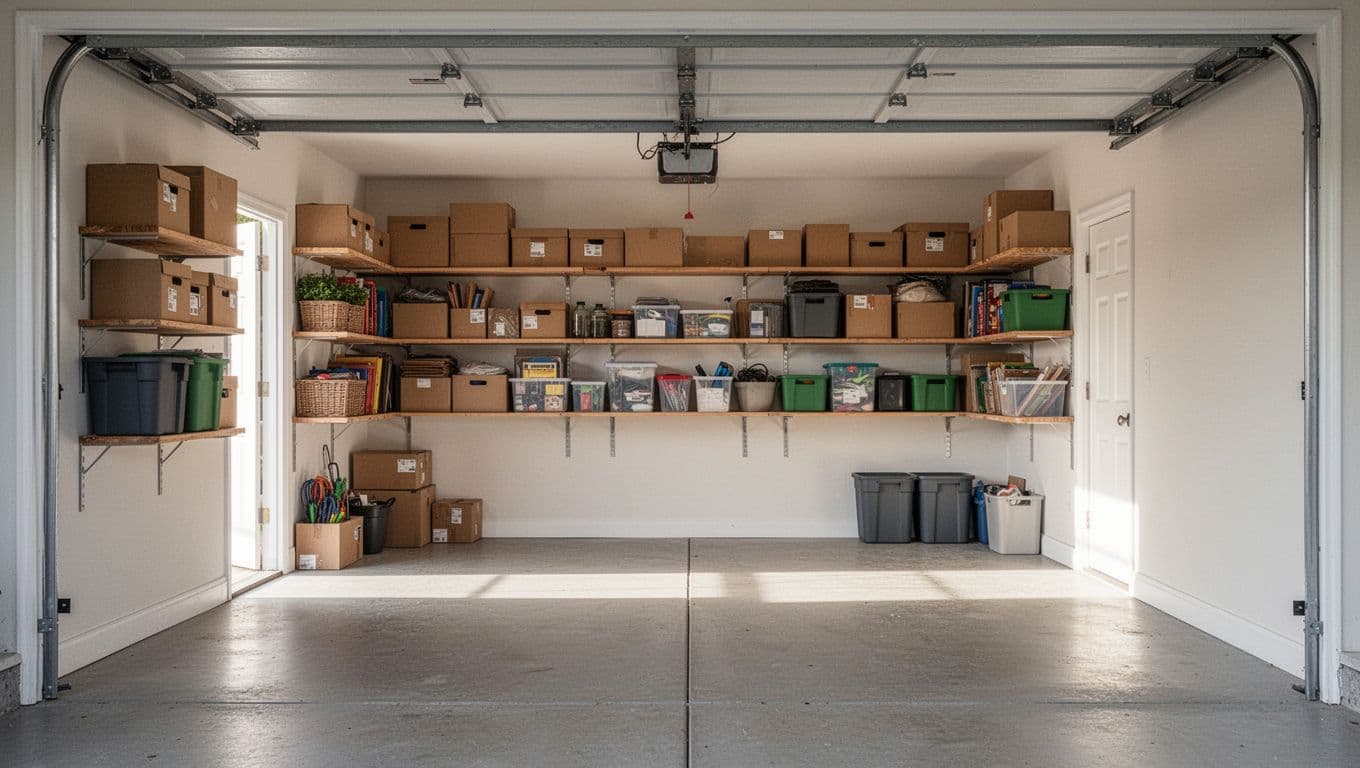
A garage, shed, attic, basement, closet, or driveway can become monthly income through Neighbor. If you already have the space, this stream can start at $0 cost.
Neighbor works like a marketplace for storage. You create a free listing, upload clear photos, write an honest description, set a price, and choose access rules. Renters book the space, and the platform handles payments. Hosts need to respond fast to requests, but once a renter moves in, the work usually stays light.
This option is one of the fastest ways to turn something idle into cash flow. A dry garage or clean basement often matters more than fancy features. Keep the space safe, accurate, and easy to access. If demand is strong in your area, the space can bring in monthly income faster than an investment account.
When you already own the space, the unused square footage can become your most affordable income stream.
Put $500 into a REIT for steady dividend income
A REIT is a company that owns income-producing real estate, such as apartments, offices, warehouses, or shopping centers. When you buy a REIT or a REIT ETF, you buy into that pool and receive part of the income through dividends.
In 2026, small investors can open a brokerage account at Fidelity or Vanguard with no account minimum and buy public REITs or REIT ETFs by the share. Funds like VNQ or SCHH often give wide exposure and dividend yields around the 3 percent to 4 percent range, though yields change with the market.
This stream is clean and simple. You deposit money, buy shares, and let dividends roll in. It also spreads your risk across many properties, which can feel steadier than betting on one building. Still, prices move up and down, so treat REITs as long-term income assets, not quick cash.
How to split your money so you do not overreach
A smart $500 plan allows for flexibility. You don’t need to force every dollar into one idea.
Match each stream to your comfort level and time
If you have extra space, start there because it can cost nothing. If you want a hands-off path and don’t want inventory, shipping, or customer messages, real estate shares and REITs are easier to live with.
A balanced split could look like this: $200 in a REIT ETF, $100 in Arrived, and the rest held back unless you need setup costs for storage. That mix gives you one zero-cost option, one broad investment, and one direct property play.
Save a small cash cushion for fees or surprises
Don’t empty your wallet on day one. A small buffer protects you from account minimums, transfer delays, or little setup needs, such as locks, bins, or better listing photos for your storage space.
That cushion also keeps your plan calm. Passive income works better when you’re not forced to pull money out too soon.
What to expect in the first 90 days
The first three months are about setup and proof, not huge payouts. Your first win may be a storage booking, a quarterly dividend, or a small deposit from rental income.
Track income, fees, and payout timing
Keep one simple note on your phone or laptop. Write down what you invested, what you earned, what fees showed up, and when each payment landed.
That small habit makes weak spots easy to spot. If one stream barely moves while another picks up, you’ll know where to add money next.
Reinvest early earnings to speed up growth
Small returns don’t look exciting at first, but they stack. Reinvest REIT dividends, buy another small slice of a rental property, or use storage income to build your cash cushion.
Passive income starts like a trickle. The habit of reinvesting is what turns it into a stream.
Conclusion
A small budget can still build real momentum. With fractional rental shares, extra storage space, and REITs, you can launch three income streams without crossing the $500 line.
The key is simple setup and steady patience. Passive income is built piece by piece, and a few small streams often work better than chasing one big promise.
Pick one stream this week, get it live, and let that first payment become the start of something larger.
passive income, REITs, Arrived, Neighbor, real estate
I created DFY Income Lab to provide honest, practical guides on building online income. Every article is written from research and real experience. Read more →










Leave a Comment